
„Carrying out technically complex research at a shipwreck lying at a depth of 70–80 meters on the seafloor requires extremely thorough planning and preparations,” said Rene Arikas, the head of the Estonian Safety Investigation Bureau. „Everything that we have done during the initial assessment of the wreck of M/S Estonia has been in preparation for the main surveys scheduled for 2022.”
According to Rene Arikas, the next steps will include a ferromagnetic survey to identify metal objects on the seafloor in the vicinity of the wreck, as well as laser scanning and a photogrammetric survey for the creation of an accurate 3D image of the wreck. An underwater glider survey will be undertaken to monitor the currents and turbidity at the seafloor. And interviews will be conducted with survivors of the shipwreck.
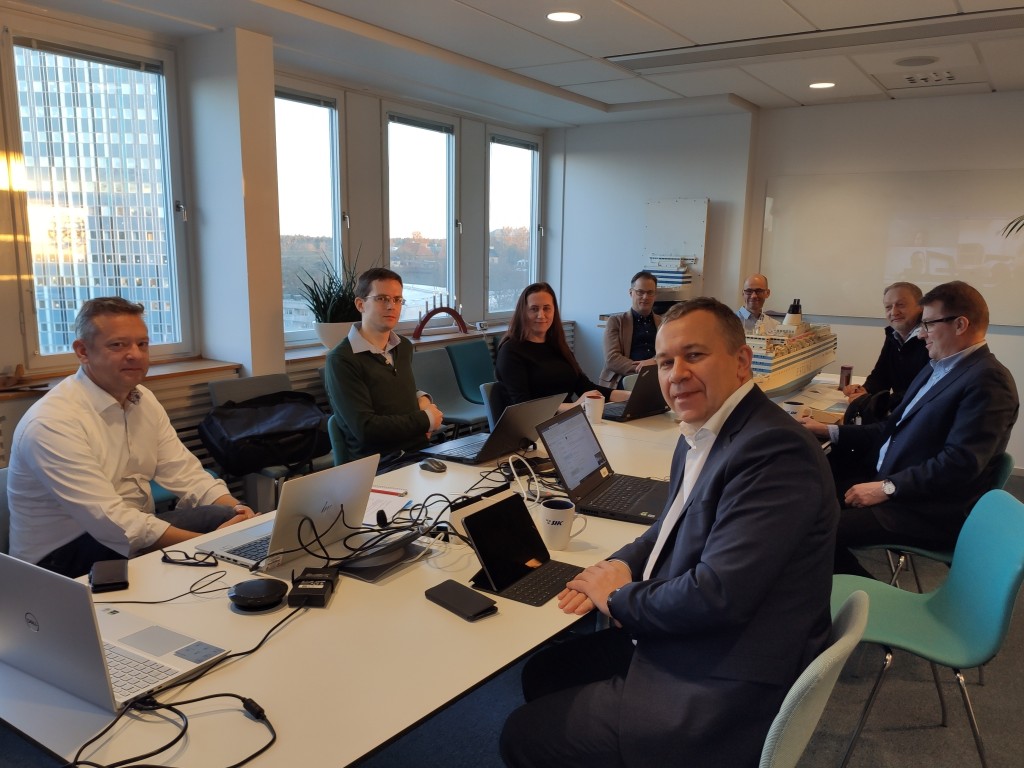
„Regular online meetings on the investigation of M/S Estonia are taking place every week between the safety investigation authorities of the three countries. In addition, longer face-to-face meetings need to be held from time to time, so that the working group of maritime affairs and maritime safety experts can discuss the issues in detail,” Arikas said. „By the time the main surveys commence at the shipwreck site, an action plan needs to be fully in place. This requires properly completing the public procurement procedures, finding the best specialists for carrying out the surveys, and agreeing on the entire action plan with the crews and all other parties. The surveys, which are set to begin in the spring, are intended to provide factual and exhaustive answers to the questions of what caused the damage to the wreck of M/S Estonia.”